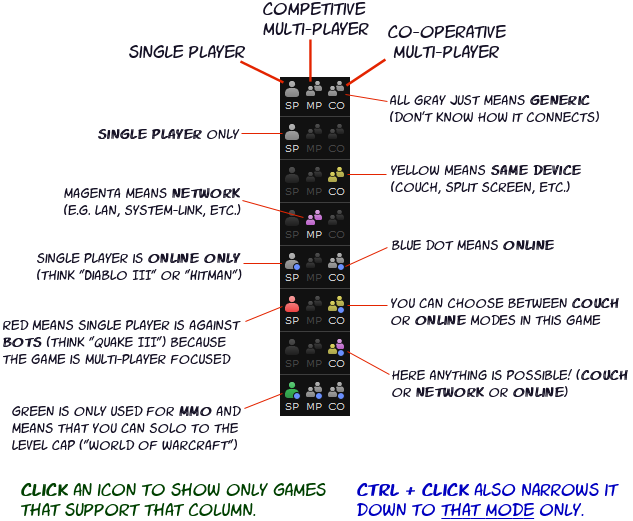
Modes Column
Throughout her career, Trisha has received several awards and nominations, including multiple Filmfare Awards, Vijay Awards, and a South Indian International Movie Award.
The "Trisha Krishnan bathroom scandal" is a defining example of an era when Indian celebrities, particularly women, were often victims of malicious digital campaigns. Trisha's immediate and unwavering denial, coupled with her legal action, set a precedent for how to confront such defamation. While the legal proceedings dragged on for years, her resilience allowed her to maintain and even elevate her career. Her journey from the shock of a fake scandal to a powerful figure speaking out against online hatred underscores the complex interplay between personal privacy, public image, and resilience in the digital age.
The early 2000s marked a significant shift in how media, technology, and celebrity culture intersected in India. As internet access and mobile phones with video capabilities began to proliferate, public figures faced unprecedented privacy challenges. One of the earliest and most high-profile instances of this phenomenon involved prominent South Indian actress Trisha Krishnan, centering around a widely circulated video clip often searched under titles like "indian actress trisha krishnan bathroom scandalwmv."
In late 2004, an explicit video clip began circulating via email, online forums, and early peer-to-peer file-sharing networks. The file, frequently saved in the then-standard .wmv (Windows Media Video) format, purported to show the actress in a private setting. The clip quickly gained viral traction across internet cafes and mobile devices, presenting one of the first major viral celebrity controversies in the Indian digital landscape. Anatomy of a Digital Hoax: Morphing and Misdirection
This web site makes extensive use of JavaScript.
Please enable JavaScript in your web browser and then refresh this page.