Defining Uplink Types
You define uplink types in the Sites & Networks page.
An uplink type is a name for similar functioning uplinks. On the SCC, uplink types can be used across multiple sites and path selection rules can be created using these names. The name must be unique at a site (but it can be same across different sites) so that the system can detect which path selection rule uses which uplinks. Because path selection rules are global on the SCC, you are restricted to 8 uplink types.
Uplink types are the building blocks for path selection. You select the path preference order using the uplink types created, and it is used in various sites. Riverbed recommends that you reuse the same uplink types at different sites in order to label uplinks based on the preference for path selection. For example, you can label uplink types as primary, secondary, and tertiary based on the path selection preference. The uplink type can be based on the type of interface or network resource, such as Verizon or global resource of uplink abstraction that is tied to a network.
Note: On the SteelHead, this field is called the Uplink Name, on the SCC it is the Uplink Type. Riverbed recommends using the same name for an uplink in all sites connecting to the same network.
To define an uplink type
1. Choose Manage > Topology: Sites & Networks to display the Sites & Networks page.
2. Under Uplink Types, click the > to expand the page.
3. Click the + to display the New Uplink Type dialog box.
Figure: New Uplink Types
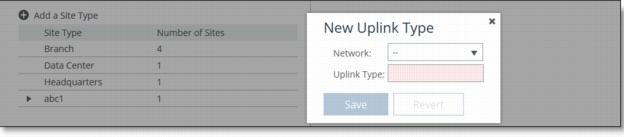
4. Complete the configuration as described in this table.
Iactivation R3 V2.4 Jun 2026
This comprehensive guide covers what the software does, how it functions, the associated risks, and the legal alternatives available for unlocking an Apple device. What is iActivation R3 v2.4?
Unlike its predecessors, v2.4 requires no administrative installation. It can run directly from a USB drive, making it invaluable for field technicians who need to activate systems without leaving persistent traces on the host machine. iactivation r3 v2.4
At its core, iActivation R3 v2.4 is a custom software tool designed to modify or signal the setup wizard within an iOS device to skip the standard Apple ID server verification loop. The program exploits software and hardware vulnerabilities found within older generations of Apple mobile chipsets—most notably through jailbreak dependencies. Key Specifications & Target Landscape This comprehensive guide covers what the software does,
: Allows users to sign into a new Apple Account directly via the App Store to safely download applications without triggering the primary activation loop. Technical Process: How the Bypass Works It can run directly from a USB drive,
With this information, I can guide you through the safest legal steps to recover the device. Share public link
5. Click Save to save your settings.