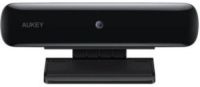
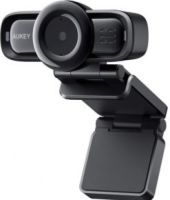
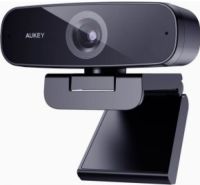
The MH-FC V2.2 doesn't just serve current needs; it anticipates future demands. With a focus on sustainability and longevity, this iteration is designed to evolve with you. Regular software updates ensure that you have access to the latest features and security patches, making MH-FC V2.2 a device that's with you for the long haul.
This board is the centerpiece for learning "bare metal" drone programming. Software Stack : Development is usually conducted in STM32CubeIDE using pure C language Mh-fc V2.2
Whether you are an automation engineer, a hardware hacker, or a system integrator, understanding the nuances of Mh-fc V2.2 is crucial for optimizing performance, stability, and feature sets. This article serves as the definitive guide to Mh-fc V2.2, exploring its origins, core improvements, installation protocols, troubleshooting tactics, and why it represents a pivotal upgrade over its predecessors. The MH-FC V2
ICM-20602 6-axis ultra-low-noise sensor (gyro and accelerometer) used for fast angular rate calculations. This board is the centerpiece for learning "bare
Typically utilizes an STM32F103C8T6 (or similar F1/F4 series) "Blue Pill" architecture, offering robust processing power for PID calculations.
To appreciate the update, you must understand the underlying data pipeline. The Mh-fc V2.2 operates on a real-time operating system (RTOS) tick of 8kHz. Here is the simplified flow: